
Electromagnetic understanding & planning

Understand the spectrum.
Plan around its constraints.

Radars, communications and other electromagnetic systems share an environment in which terrain, configuration and concurrent activity all matter. Varindor connects electromagnetic analysis with situational understanding and planning. We can compose tools for investigating interactions, comparing configurations and coordinating spectrum use around the systems and decisions that matter to your team.

See what we can compose
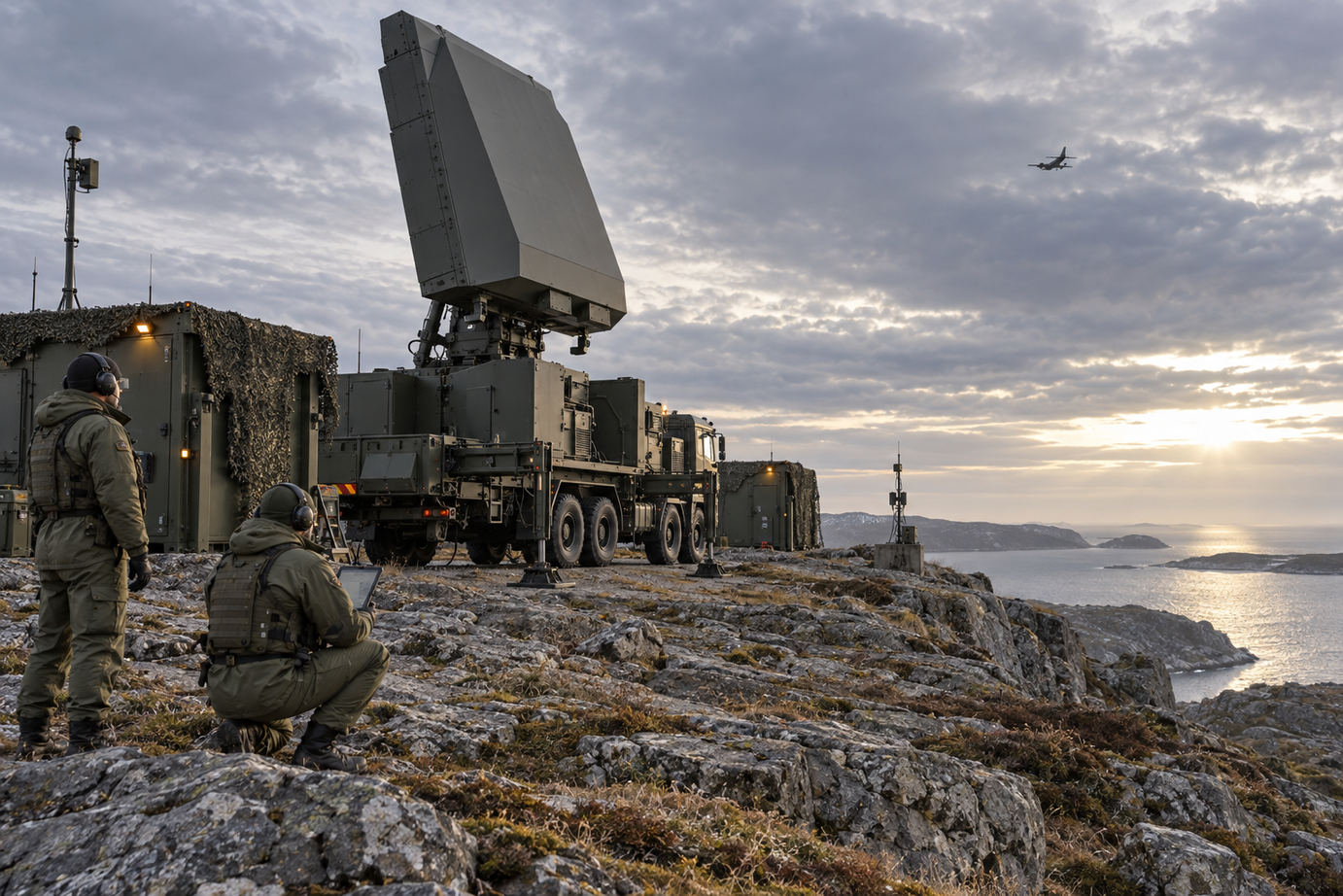
A radar installation and defence personnel overlooking a coastal environment

Why it matters

A system can work alone
and struggle in context.

An equipment specification cannot tell the whole story of an operating environment. The useful questions concern coverage, competing uses, interference, uncertainty and the consequences of a change. We connect physical analysis to those questions so that engineers and planners can examine a proposed configuration before relying on it.

What we can bring together

From physical behaviour
to a planning decision.

Propagation & system interaction

Combine antenna and propagation analysis with the characteristics of the systems being studied. Examine how geometry, terrain and configuration influence predicted performance, and investigate interactions between emitters and receivers. Results can be presented in geographic and engineering views that help users relate a calculation to the situation.

Electromagnetic compatibility

Assess whether systems can operate together under stated conditions. Investigate individual and combined interference contributions, examine the margin against a requirement and compare the effect of configuration changes. The result is a basis for understanding a conflict and evaluating alternatives, with assumptions and uncertainty available for review.

Spectrum planning & coordination

Develop and compare candidate allocations under operational priorities and constraints. Connect planning choices with their analytical basis, and review the consequences when inputs or requirements change. Our application work also addresses coordination across distributed participants, including the handling of local decisions and later reconciliation.

Built to be composed

An analytical foundation
inside operational systems.

We have built an electromagnetic application spanning the operational picture, physical assessment, planning, coordination and decision review. Our own computational technology supports the analysis behind those workflows and gives us direct control over how it is developed and adapted.

That combination supports custom solutions for a particular equipment set, operating environment or workflow. We can bring together signal analysis, electromagnetic modelling, optimisation and visualisation, then build the services and user experience needed to make the selected analysis useful to engineers and operators.

Our computational foundation

Questions we can help you examine

Make the trade-offs
visible before committing.

Can these systems operate together?

A representative compatibility study can show which interactions need investigation, what drives the result and which configuration changes are worth examining. This gives a technical team a concrete way to evaluate the depth and relevance of our analysis.

What changes when the environment changes?

Compare a baseline with a different location, equipment configuration or pattern of activity. Examine the changes in predicted performance and the assumptions that dominate the comparison, so that the next measurement or analysis addresses a real uncertainty.

How does analysis improve the plan?

Follow a planning choice from its operational constraints through the alternatives considered and the resulting assessment. Evaluate whether the workflow gives the responsible person enough context to accept, revise or defer a decision.

Explore the fit

Bring the interaction
you need to understand.

Start with the system types, operating context and decision you need to support. A representative equipment set or unclassified scenario can establish the shape of the problem.

We can demonstrate relevant application workflows, discuss the analysis your case needs and identify a bounded study or integration that would establish value before a wider programme.