
Multiphysics & multi-domain simulation

Model the interactions
that change the outcome.

Defence engineering and operational problems rarely stay within one discipline. Varindor develops a broad computational foundation spanning structural mechanics, thermal behaviour, electromagnetics, acoustics, electrical systems and fluid flow. We combine relevant models with optimisation and visualisation to build simulation tools around the question a customer needs to answer.

See what we can compose
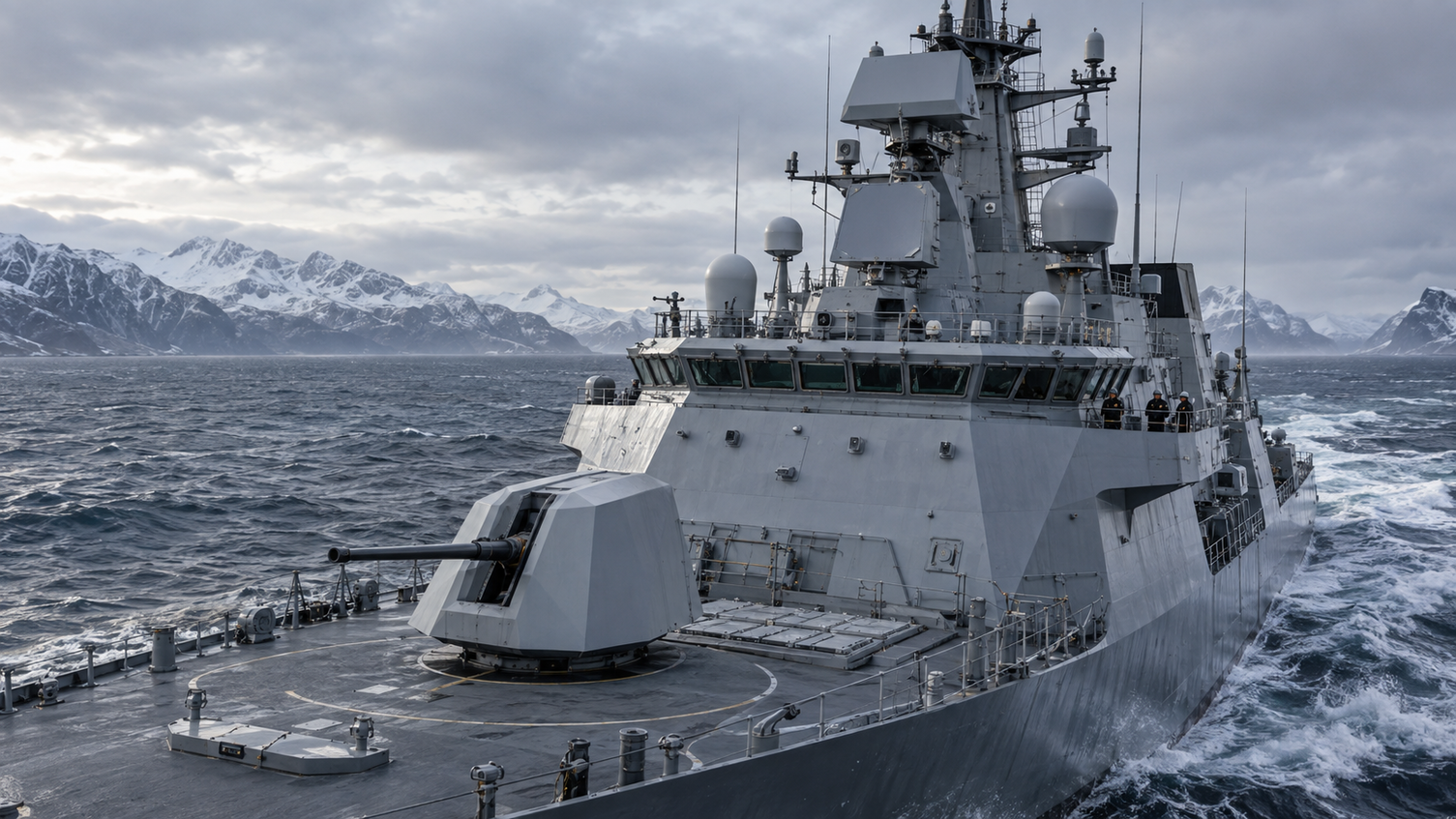
Naval vessel operating in a northern maritime environment

Why it matters

The value is in
what you can compare.

A design change can improve one measure and make another worse. A system that performs well under nominal conditions may respond differently when its environment or dependencies change. A useful simulation makes those relationships examinable, helping a team compare alternatives and decide where further analysis, measurement or testing is justified.

What we can bring together

Physical depth.
Purposeful composition.

Multiphysics analysis

Examine steady and time-dependent behaviour, nonlinear responses and selected coupled problems in which one physical response influences another. Our foundation includes geometry, meshing, numerical solvers and physical models. We select the model scope and fidelity around the decision, available inputs and evidence needed for the intended use.

Design exploration & optimisation

Compare configurations, vary parameters and examine sensitivity to assumptions. Connect physical responses to design objectives and constraints so that a team can investigate trade-offs systematically. Repeated studies can be shaped around the amount of detail and turnaround time the workflow requires.

System & scenario evaluation

Combine physical analysis with representations of system dependencies, resources and changing conditions. This supports applications that examine how local behaviour affects a wider engineering or operational question, with comparative outputs that users can inspect and discuss.

Built to be composed

Build the tool
around the question.

We develop the computation as well as applications that use it. This lets us address problems that fall between established tool categories: a specialised engineering study, an interactive exploration environment or an analytical capability embedded in a larger planning workflow.

A customer solution can combine selected physics, parameter studies, optimisation and scientific visualisation. The scope of coupling, model fidelity and execution requirements are established for that problem. Our ownership of the underlying technology gives us direct control over how the calculation is adapted and examined.

Our computational foundation

Questions we can help you examine

Put a representative
problem in front of us.

Which design trade-off deserves attention?

Compare candidate designs against the physical responses and constraints that matter to your team. A useful evaluation should reveal why the options differ, which changes have the greatest effect and what evidence would justify the next design decision.

Which assumptions drive the conclusion?

Vary material properties, loads, boundary conditions or operating assumptions within a defined study. Examine whether the ordering of alternatives remains stable and where uncertainty makes further testing more valuable than additional precision in the model.

How much analysis fits the workflow?

Establish whether the task needs a detailed engineering study, repeated comparisons or an interactive view. We can assess the appropriate computational approach against representative workloads, with explicit expectations for accuracy, turnaround and review.

Explore the fit

Bring the question
your current tools leave open.

Describe the system, the alternatives you need to compare and the physical effects you believe matter. Representative geometry, inputs or existing results can help define a useful first study.

We can discuss a focused demonstration or evaluation with agreed outputs and comparison criteria. The aim is to establish whether our computational depth can resolve a decision that is difficult, slow or fragmented in your current workflow.